
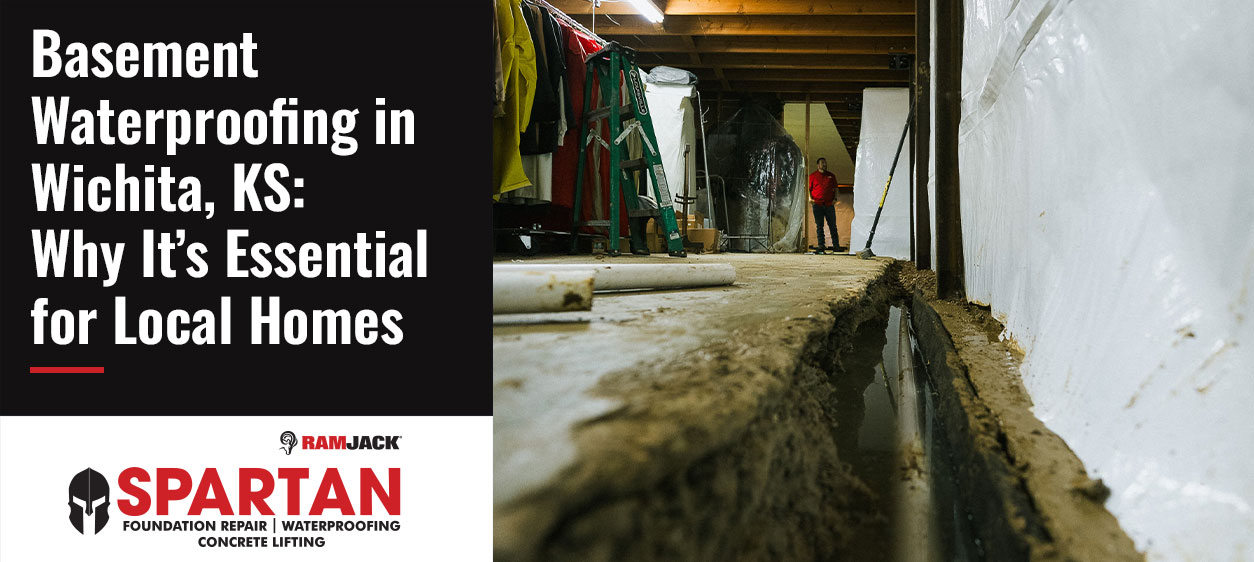
Basement flooding is one of the most common and expensive forms of property damage Wichita homeowners face, especially during spring. Think about basement waterproofing in Wichita, KS, and you’re already ahead of potential problems that can cost thousands in repairs. Wichita experiences unique flooding challenges thanks to its heavy clay soils and spring storm cycles. Historic areas like College Hill and Riverside often have older foundations more prone to seepage. Lower-lying neighborhoods face groundwater surges during moderate rain events.
We’ve created this piece to help you understand why wet basement repair matters here and what signs indicate you need interior basement waterproofing in Wichita or exterior waterproofing in Wichita. You’ll also learn how to choose the right solutions for your home’s specific needs.
Why Basement Waterproofing Is Critical in Wichita
Wichita’s Clay-Heavy Soil Conditions
Sedgwick County sits on surface deposits that include clay and silt. These materials behave differently than most building materials can handle. Clay-rich soil acts like a sponge. It swells when wet and shrinks when dry. This expansion and contraction cycle can change soil volume by more than 10% and creates uneven pressure that cracks foundations and causes them to change position.
The clay minerals have intense absorption power for water molecules. Wet, swollen clay influences soil behavior and movement beneath your home. Pressure on your foundation increases when soil becomes saturated. This lateral earth pressure can cause horizontal cracks, inward bowing, or moisture coming into your basement during or after heavy rain. Some clay types can swell up to 15 times their dry volume. The movement puts enormous stress on anything built above.
Seasonal Weather Patterns and Spring Flooding
Spring brings pronounced precipitation and frequent severe storms to the area. Short-duration downpours common to Great Plains convective storms can overwhelm grading, downspouts, and footing drains. This happens even when total monthly rain is near normal.
Sedgwick County dispatchers took 112 calls related to flooded vehicles in one night during June 2026. The Ninnescah River exceeded flood stage by more than 11 feet, with predictions of reaching 18 feet. These events aren’t rare. Spring thunderstorm patterns, combined with below-grade living spaces in many multi-level homes, make basements a priority for moisture prevention.
Aging Foundations in Historic Neighborhoods
Homes in College Hill, Riverside, and Delano feature block-and-mortar foundations. Sometimes these are set on dry-laid stone or brick piers without modern waterproofing. These older construction methods make properties more prone to settling as soil conditions change over decades.
Stair-step cracks are a common issue in these foundations. Clay soil beneath homes shrinks during dry seasons and creates gaps that allow water entry during wet periods.
Rising Groundwater Levels in Low-Lying Areas
The water table rises after consistent rain or rapid snow melting. It rises everywhere in the affected region, including underneath your foundation. This creates drastic increases in hydrostatic pressure that forces water into basements through even minuscule openings. Homes near Riverside and Delano experience rising groundwater during spring storms. Areas near the Arkansas and Little Arkansas rivers face additional pressure from their proximity to these waterways.
Common Signs Your Wichita Basement Needs Waterproofing
Spotting warning signs early saves you from wet basement repair that can get pricey down the road. Most problems start small but escalate when ignored, especially in Wichita where clay soil and seasonal rain create persistent pressure on foundations.
Water Stains and Dampness on Walls
Brown or yellow discoloration on basement walls signals moisture intrusion. These stains appear after heavy rain, especially around window wells or foundation cracks. Damp spots that feel cool to the touch show active moisture movement through concrete. Water stains create records of every intrusion event and reveal where water enters repeatedly even if the surface appears dry currently. Peeling paint or bubbling drywall accompanies these stains when moisture gets trapped behind finished surfaces.
Musty Odors and Mold Growth
That distinct basement smell comes from microbial volatile organic compounds released during mold and mildew growth. Mold needs organic material and moisture to thrive, beginning growth within 24 to 48 hours of water exposure. You’ll notice fuzzy patches in black, green, or white on walls, corners, or stored items. The smell appears before visible mold does and shows hidden growth behind drywall or under flooring. Mold exposure triggers respiratory symptoms, including coughing, wheezing, and asthma attacks if you have sensitivities.
Cracks in Foundation Walls
Small hairline cracks are common settling, but cracks allowing water through need attention right away. Horizontal cracks or stair-step patterns in block foundations signal serious pressure from saturated soil outside. Cracks wider than a quarter inch deserve professional evaluation. Water seeping through foundation cracks accelerates damage and causes more problems like material deterioration.
Efflorescence and Mineral Deposits
White, chalky powder on concrete walls proves water is moving through your foundation. Moisture travels through porous concrete and dissolves salts and minerals, leaving crystalline deposits when water evaporates. Efflorescence brushes away but returns as long as moisture migration continues. This goes beyond cosmetics. It shows active water pressure behind walls that requires interior basement waterproofing in Wichita or exterior waterproofing in Wichita to resolve.
Effective Basement Waterproofing Solutions for Local Homes
Solutions for basement waterproofing in Wichita range from exterior excavation to interior drainage channels, with the right approach depending on your home’s specific water entry points and foundation type.
Exterior Waterproofing in Wichita
Exterior methods involve excavating around the foundation to apply waterproof membranes or coatings to walls. This approach manages water before it reaches basement walls and reduces lateral pressure. Exterior systems often combine membranes with drainage materials that route water down to collection systems, especially when you have chronic seepage issues.
Interior Basement Waterproofing in Wichita
Water that reaches the inside face of foundation walls gets managed by interior systems. Specialized drainage channels installed at the cove joint collect moisture and direct it toward sump locations. Access points minimize damage to existing finishes, so interior methods work well for finished basements. Most installations complete within 2-3 days.
Sump Pump Installation and Maintenance
Sump pumps serve as the last defense during Wichita’s spring storms and remove collected water before it floods living spaces. Battery backup systems activate when primary pumps fail or power goes out during storms. Most residential pumps last 7 to 10 years. Homes with high water tables may need earlier replacement.
French Drains and Drainage Systems
French drains use perforated pipes in gravel-filled trenches to intercept and redirect water away from foundations. These systems relieve surface and shallow subsurface water that contributes to ongoing saturation when placed near foundations or across saturated yards.
Foundation Crack Repair
Low-pressure polyurethane injection systems seal cracks from inside basements using standard caulking guns. The polyurethane expands up to 20 times its volume when contacting water. This creates flexible, waterproof seals that accommodate foundation movement without breaking down.
Grading and Landscape Adjustments
Proper grading requires a minimum 6-inch slope within the first 10 feet from your foundation and redirects surface water away from basement walls before infiltration occurs. Combining grading work with rock beds and non-permeable fabric below prevents erosion damage that reduces slope effectiveness over time.
Choosing the Right Waterproofing Professional in Wichita
Selecting the right contractor makes the difference between a solution that lasts decades and one that fails within months. The basement waterproofing industry has callback rates higher than most construction sectors. This makes careful vetting necessary before you commit to any work.
What to Look for in a Waterproofing Contractor
Before you sign anything, verify licensing, bonding and insurance. Workers’ compensation and liability coverage protect you from financial responsibility if accidents occur during installation. Companies with decades in business demonstrate stability and skill. Check how long they’ve operated under their current name. Some firms restart under new identities to escape warranty obligations.
Questions to Ask Before Hiring
Ask about their diagnostic process. Contractors who recommend solutions before inspecting your basement raise red flags. Request references from projects completed several years ago to assess long-term performance. Ask about the specific products they’ll use and why those materials suit your situation. Get detailed written estimates that include labor and materials. Potential additional costs like electrical work for sump pumps or furniture moving should be included.
Understanding Warranties and Long-Term Protection
Lifetime warranties cover your waterproofing system for as long as you own your home. Transferable warranties pass coverage to new owners and boost resale value. Review what’s covered, since warranties protect against material and workmanship defects but exclude damage from landscapers or other contractors. Annual maintenance requirements keep most warranties valid, so understand service obligations before installation begins.
Free Basement Evaluation
Getting an accurate diagnosis matters before committing to any basement waterproofing in Wichita. We at Spartan Ram Jack Wichita provide complimentary basement evaluations to homeowners throughout Sedgwick County who want professional assessment without sales pressure.
Our evaluation process starts with moisture mapping to identify where water enters your space. We get into foundation walls for cracks and measure hydrostatic pressure indicators. We also assess grading around your home. This diagnostic approach determines whether you need interior basement waterproofing in Wichita, exterior waterproofing in Wichita, or a combination of solutions.
We explain what we find in plain terms when we inspect your basement. You’ll understand why problems occur in your specific home and what options address root causes rather than symptoms. We provide written estimates detailing materials, labor and timeline for recommended wet basement repair solutions.
Schedule your free evaluation by contacting Spartan Ram Jack Wichita. We’ve helped hundreds of local homeowners protect their properties from moisture damage and back our work with transferable lifetime warranties. Whether you live in College Hill with an aging foundation or near the Arkansas River where groundwater creates challenges, we have experience solving basement water problems specific to Wichita conditions.