
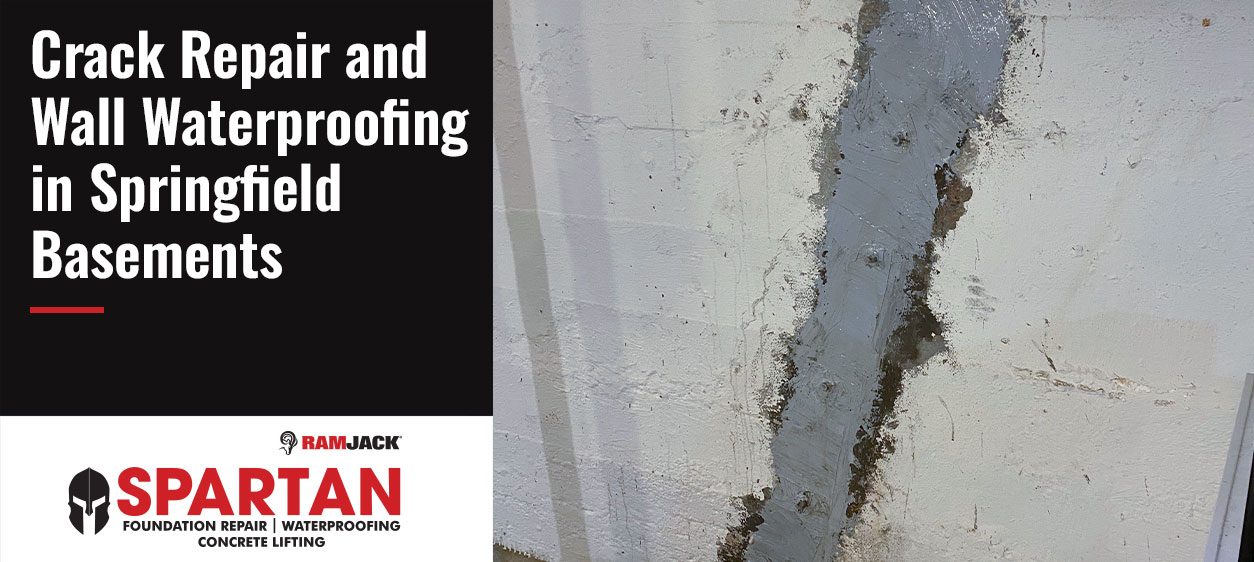
Springfield’s unique soil conditions create serious challenges for homeowners, notably because expansive soils swell when wet and shrink during dry periods. This leads to problematic soil movement. Foundation problems can reduce your home’s value and pose real safety risks. We understand these local challenges because we’ve helped countless Springfield property owners protect their investments through proven solutions.
Our complete approach to basement waterproofing in Springfield, MO homeowners trust addresses both immediate concerns and long-term protection. Wall crack injection techniques and complete waterproofing systems tackle why moisture, mold, and structural damage happen.
This piece will walk you through understanding basement issues, learning effective crack repair methods, and finding waterproofing solutions designed for Springfield basements specifically.
Understanding Basement Cracks and Water Problems in Springfield
Water finds its way into Springfield basements through multiple pathways. Over half of all basements experience some moisture issues, and this makes it a widespread concern for homeowners. Hundreds or even thousands of gallons fall on a roof during a single storm event, and rainfall represents the most common source. Snowmelt, irrigation near foundations and shallow groundwater add to the problem.
Concrete’s porous nature works against basement protection. The material absorbs water like a wick through capillary suction. Moisture passes through walls as vapor and raises humidity levels even without visible leaks once soil around foundations becomes saturated.
Foundation cracks act as direct water entry points. Vertical cracks, the most common type, usually come from settling or concrete’s natural curing process. Horizontal cracks point to bigger problems and are caused by excessive lateral pressure from poor drainage or soil expansion. Stair-step cracks in block foundations signal differential settlement, where one foundation section sinks more than another. Diagonal cracks suggest uneven settlement patterns.
Hydrostatic pressure drives water through any crack or gap once water accumulates against foundations. Poor drainage causes this accumulation. Proper water management prevents pressure buildup. Springfield’s clay soils make things worse and create what specialists call the clay bowl effect.
Crack Repair Methods for Springfield Basements
Two primary methods dominate wall crack injection that basement waterproofing Springfield, MO specialists recommend. Polyurethane foam injection works best for actively leaking cracks because the material expands up to 20 times its original volume when meeting water. This expanding foam creates a watertight barrier and remains flexible to accommodate foundation movement. The low viscosity makes it effective even for hairline cracks.
Epoxy injection serves a different purpose. This two-part resin restores structural strength by bonding cracked concrete together. It’s the preferred choice when structural reinforcement matters. Epoxy requires dry or slightly damp conditions since moisture interferes with bonding. The cured material becomes stronger than the original concrete in most cases.
Carbon fiber reinforcement addresses bowing walls differently. These strips provide tensile strength 10x stronger than steel. Contractors anchor the carbon fiber from top to bottom and stabilize foundations without excavation. This method works for bowing under two inches but won’t straighten severely displaced walls.
DIY kits exist for homeowners, with options covering 10 to 60 linear feet of cracks. But professionals use high-pressure systems and industry-grade resins that penetrate deeper than store-bought alternatives. Therefore, proper diagnosis determines whether your situation needs flexible waterproofing or structural repair.
Basement Waterproofing Springfield, MO Solutions
Complete basement waterproofing Springfield systems combine multiple components that work together. Interior drainage systems capture water at the floor-wall joint, which is the most common entry point for basement leaks. These perimeter drains install along the inside edge of basement floors and collect groundwater while directing it to a sump pump basin.
Sump pumps sit at the lowest basement point and remove excess groundwater before accumulation causes damage. Submersible pumps operate underwater inside the pit and run quieter than pedestal models. Battery backup systems provide protection during power outages and continue water removal for several hours when storms knock out electricity.
Interior systems are nowhere near as expensive as exterior methods and install faster, within one to three days. Exterior waterproofing requires excavation around foundations, which disrupts landscaping and costs seven to ten times more. Interior French drains manage water after entry but relieve hydrostatic pressure with good results.
Vapor barriers add another protection layer. These materials block moisture vapor from penetrating basement walls, which reduces humidity and prevents mold growth. Professional installation will give proper sealing, whereas DIY attempts risk gaps that allow moisture through. Material costs range from $100 to $500 for typical basements, with professional labor adding $1 to $3 per square foot.
Free Basement Waterproofing Evaluation
Scheduling a professional assessment with Spartan Ram Jack Springfield is the first step toward protecting your home from water damage, mold and structural concerns. A full picture helps identify issues before they become big problems and provides peace of mind with customized solutions.
Watch for specific warning signs. Water stains on walls or floors signal moisture intrusion. Efflorescence, that white chalky residue from evaporating water, indicates water movement through concrete. Musty odors point to hidden moisture or mold growth. Foundation wall cracks require professional evaluation to determine severity.
Our inspection process examines multiple areas. Interior assessment covers basement walls, floors and joints for water entry signs. We measure humidity levels and check for mold or mildew. Exterior evaluation matters because water problems often start outside. We inspect grading around your home, downspouts, drainage patterns and visible exterior cracks.
Foundation evaluation identifies structural vulnerabilities and settlement issues. If your home has existing drainage systems or sump pumps, we check their operation and effectiveness.
Preventative inspections provide value even for dry basements. Routine evaluations catch small vulnerabilities before they become expensive repairs. We offer free basement waterproofing evaluations that assess interior and exterior conditions, identify problem areas and recommend solutions tailored to your property.