
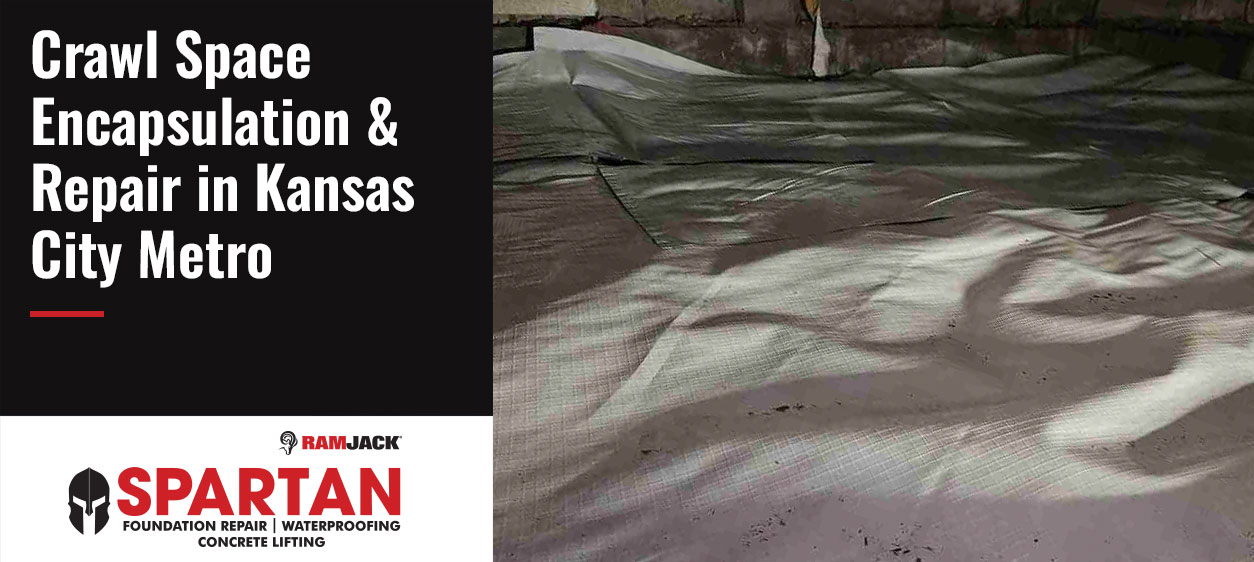
Crawl space encapsulation in Kansas City addresses a critical challenge: our region experiences humidity levels ranging from 75 to 85 percent during summer mornings, with sustained dew points above 65°F for weeks at a time. This excessive moisture creates the perfect environment for mold growth, pest infestations, and structural damage beneath your home. In fact, many homeowners notice musty smells, cold floors, and increased allergy symptoms as air from the crawl space rises into living areas.
We’ve seen how crawl space encapsulation changes these problematic spaces when combined with vapor barrier installation and crawl space insulation. I’ll walk you through the health benefits and energy savings that encapsulation provides for Kansas City homes in this piece, along with the structural protection it offers.
How Kansas City Humidity Affects Your Crawl Space
Summer moisture and condensation problems
Summer brings warm humid outdoor air that creates serious problems beneath your home. Condensation ranks as the #1 cause of crawl space moisture, not ground water as most homeowners assume. The process follows simple physics: warm air holds more moisture than cold air. Your crawl space stays cooler because it’s shaded and below grade.
Hot, humid air enters through vents, gaps, or unsealed doors. The air cools down faster inside. The temperature drops below the dew point and moisture in that air converts into liquid water droplets. These droplets settle on everything: floor joists, insulation, beams, ductwork and pipes. Enough water condenses in extreme cases that it starts dripping off surfaces and creates a rain forest effect inside your crawl space.
The condensation soaks into wood and raises humidity levels. The space stays damp throughout the year. Mold begins growing at the time humidity stays above 60%. Cold metal ductwork and pipe hangers sweat and lead to rust and premature HVAC damage. Fiberglass insulation acts like a sponge and absorbs moisture until it collapses and loses all effectiveness.
Kansas City’s climate patterns and dew points
Kansas City experiences dew points around 60 degrees during typical summer periods. But dew point values return to the upper 60s and lower 70s often and make conditions feel even hotter and stickier. The air feels muggy at the time dew points climb above 65 degrees. These sustained high dew points create persistent condensation problems in crawl spaces throughout the summer months.
Signs of humidity damage in your home
Your crawl space sends warning signals up into your living areas. About half the air inside your home originates from the crawl space below. Watch for these indicators:
- Visible condensation: Water droplets on foundation walls, cold pipes, or insulation hanging from joists
- Musty odors: Persistent damp, earthy smells that you can’t trace to a specific source
- Floor problems: Hardwood floors cupping due to moisture differences between bottom and top surfaces, or floors feeling spongy and bouncy underfoot
- Structural concerns: Wood rot on floor joists, sagging floors, or visible mold growth appearing as dark gray, black, or green fuzzy patches on wood framing
These problems don’t self-correct. Moisture issues compound and spread in ways that become expensive faster if left untreated.
Health and Air Quality Benefits of Crawl Space Encapsulation
About half the air that circulates through your home starts in the crawl space below. Mold, mildew, or pest droppings in that space travel into rooms where you sleep, eat, and spend time with family.
Mold and mildew prevention
Encapsulation installs a vapor barrier throughout the crawl space’s floors and walls. This prevents ground moisture from evaporating upward. Humidity levels stay below 60% with this moisture control, the threshold where mold begins growing. Studies show that encapsulated crawl spaces reduce mold spore concentrations by up to 60%. This protects both your home’s structure and your family’s health.
Mold exposure triggers respiratory problems, headaches, and long-term health conditions. Infants and young children face increased risks of developing allergies and asthma because their immune systems are still forming. The vapor barrier paired with a dehumidifier maintains safe humidity levels and makes it almost impossible for mold and mildew to survive.
Improved indoor air quality
A sealed crawl space creates a barrier between outside contaminants and your living areas. The encapsulation process blocks dust, pollen, and volatile organic compounds from infiltrating your home. Chemical and particulate pollutants from soil stay trapped beneath the vapor barrier with lower relative humidity rather than circulating through air ducts and vents.
Reduced allergens and respiratory issues
Dust mites require high humidity to survive. Encapsulation reduces these conditions and lowers allergen levels throughout your home. Symptoms like coughing, wheezing, eye irritation, and throat discomfort become less frequent when crawl space moisture stays controlled. Family members with asthma, allergies, or respiratory sensitivities benefit from this.
Protection from pest infestations
Moisture attracts rodents, cockroaches, termites, and insects. These pests thrive in damp environments and need water to survive. Encapsulation eliminates the humid conditions pests require and seals entry points they use to access your home. Pest waste contaminates air flowing upward into living spaces. This presents serious dangers for children, seniors, and anyone with compromised immune systems. A dry, sealed crawl space removes these threats at the source.
Energy Efficiency and Cost Savings Benefits
Your heating and cooling systems consume the most energy in your home, and an unsealed crawl space forces them to work harder. Uncontrolled air movement causes 20-30% of energy loss, with much of it starting beneath your floors.
Lower heating and cooling bills
Encapsulation prevents conditioned air from escaping while blocking outdoor air from infiltrating your home. This creates a thermal barrier that maintains stable indoor temperatures without constant HVAC operation. Studies show energy savings between 15-20% after proper installation. Homeowners in our region report monthly savings ranging from $50 to $150, depending on home size and existing HVAC efficiency.
The payback period proves shorter than most expect. Most homeowners recover their investment costs within 5-7 years through energy savings alone because of monthly reductions. The savings compound year after year after that point.
Better temperature control throughout your home
The sealed environment stops drafts and temperature fluctuations in living areas. Cold floors in winter and uncomfortably warm rooms in summer both stem from unsealed crawl spaces allowing extreme temperatures to penetrate upward. Encapsulation stabilizes the temperature beneath your home and keeps crawl space conditions close to living space temperatures.
Your floors stay warmer during winter months. Summer cooling becomes more effective because humid air no longer seeps through foundation vents. The vapor barrier paired with insulation resists heat transfer and minimizes heat loss during cold periods and heat gain during warm months.
Reduced HVAC system strain
Your heating and cooling equipment doesn’t need to work as hard maintaining comfortable temperatures. This reduced workload extends system lifespan and decreases frequency of repairs or replacements. The controlled environment optimizes HVAC efficiency and allows equipment to cycle less frequently while achieving better results. Lower humidity levels make it easier for systems to heat and cool air.
Structural Protection and Long-Term Home Value
Prevention of wood rot and floor joist damage
Water vapor saturates joists, beams, and subflooring when left unprotected. Wood rot begins at 20% moisture content and breaks down fibers that give wood its structural strength. The result is cracked, brittle support components unable to carry the loads they were designed to handle. Floor joists, support beams, and sill plates weaken over time. This causes sagging or uneven floors throughout your home.
Vapor barriers stop water vapor from reaching structural wood. This protection proves critical for safety and maintains home value over the long term.
Protection against foundation issues from moisture
High ground moisture damages foundation walls as humidity seeps in. Cracks, settling, and efflorescence develop and weaken block and masonry. Crawl space encapsulation in Kansas City paired with drainage relieves this pressure and prevents foundation repairs from getting pricey.
Extended lifespan of home components
Dry, stable conditions beneath your home extend equipment life. HVAC systems, plumbing, and wiring last longer thanks to stable temperatures and controlled humidity. Contractors observe the difference between encapsulated and neglected spaces consistently.
Increased home resale value
Buyers recognize moisture-free foundations and reduced repair risks. Crawl space encapsulation in Kansas City demonstrates proactive maintenance and increases market appeal. Kansas City crawl space repairs average $1,270 to $5,376, but foundation repairs cost substantially more when moisture reaches structural elements. A sealed crawl space justifies higher asking prices and provides buyers peace of mind about future home health.
Free Crawl Space Evaluation
Crawl space encapsulation deals with why humidity happens rather than just treating symptoms. You protect your home from Kansas City’s persistent moisture and invest in healthier air quality and lower energy bills. Structural integrity lasts for decades. The combined benefits pay for themselves within five to seven years through energy savings alone. You also gain peace of mind. Your home’s foundation stays protected from the costly damage that moisture causes over time.