
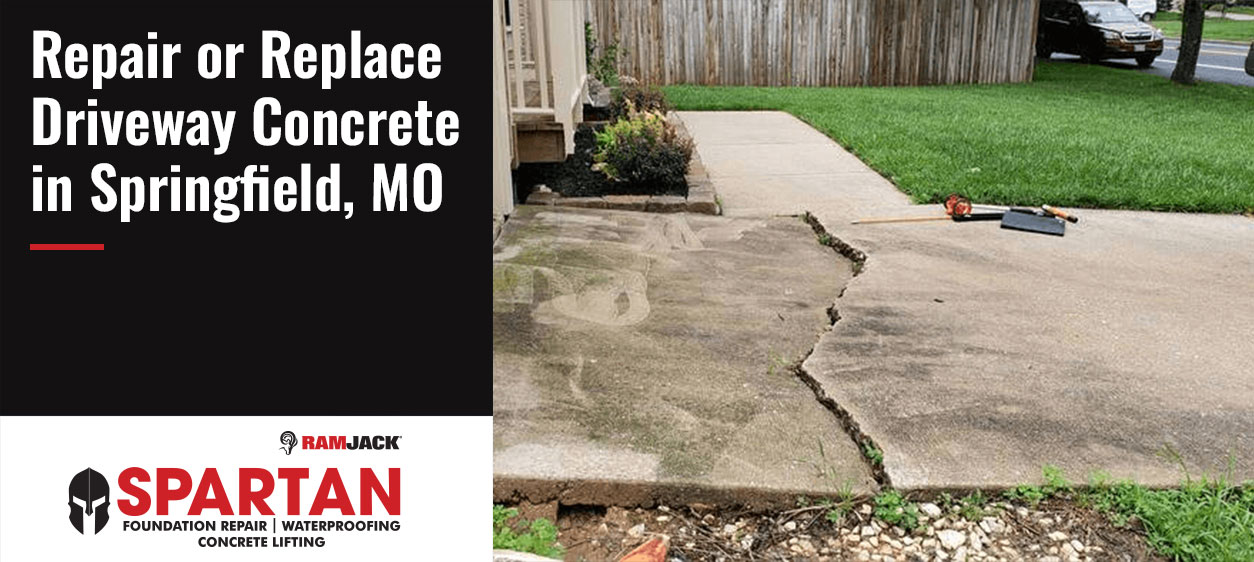
Concrete driveway repair in Springfield doesn’t always mean a full replacement, but knowing when to repair versus replace can save you thousands of dollars. Cracks and sunken sections are common issues that many homeowners face, and the right solution depends on the extent of the damage. Springfield homeowners have several options available, such as mudjacking and polyjacking for concrete lifting, along with patching methods. Concrete driveway installation costs around $4.62 per square foot in our area, so understanding your repair options becomes especially important. We’ll walk you through the signs your driveway needs attention, compare modern repair techniques, and help you decide whether repair or replacement makes the most sense for your situation and budget.
Signs Your Concrete Driveway Needs Attention
Cracks and Their Severity Levels
Not all concrete cracks signal immediate concern. Hairline cracks remain tight and extend only 25-50 mm into the slab. These surface-level imperfections rarely allow water penetration that matters. Structural cracks measuring 1/4 inch or wider just need professional assessment. Width serves as your main indicator: cracks less than 1/4 inch often qualify to fill with simple methods, while those between 1/4 to 1/2 inch show more severe problems. Any crack exceeding 1/2 inch suggests structural problems that are most important and require extensive repairs. Settlement cracks appear when soil that was compacted poorly moves beneath your driveway. This creates voids and causes sections to sink and crack.
Sunken or Uneven Concrete Sections
Uneven driveways signal deeper problems below the surface. Soil that was compacted poorly ranks among the biggest culprits. Erosion from rain, snowmelt, or improper drainage washes away supporting soil and forms voids. These voids leave sections unsupported. Vehicle tires and mufflers scrape against raised edges of sunken sections. Freeze-thaw cycles make the problem worse as expanding ice moves soil further. Tree roots can push up portions or disrupt underlying soil and cause additional settlement over time.
Surface Spalling and Deterioration
Spalling shows up as chipping or flaking concrete near your home’s base. Watch for rust-colored streaks that indicate corroding rebar. Small craters or pitted areas appear near downspouts or sprinklers. The concrete develops a rough texture with exposed aggregate stones. Tap suspected areas with a metal tool; a hollow sound confirms deterioration. Freeze-thaw cycles speed up spalling when water trapped within the concrete expands during freezing.
Water Pooling and Drainage Issues
Standing water creates more than an eyesore. Poor drainage causes water pooling that undermines your driveway’s foundation and creates cracks and potholes. Water washes away soil along the driveway and threatens landscaping while increasing the likelihood of sinking. Pooling water erodes soil underneath your slab and creates voids. These voids cause the concrete to shift and crack. Moisture penetrates concrete pores and speeds surface breakdown.
Concrete Driveway Repair Options in Springfield
Mudjacking for Sunken Concrete
Mudjacking lifts settled concrete by pumping a slurry mixture beneath your slab. The process starts with drilling holes approximately 1 to 2 inches in diameter into the affected area. A hydraulic pump then injects a mixture of water, sand, soil, and Portland cement through these holes. The slurry fills voids underneath and raises your driveway back to its original level. Expect to pay between $3.00 to $6.00 per square foot for mudjacking services. The material cures within 24 to 48 hours before you can drive on the repaired surface. This method works well for driveways with localized sinking where the base material remains stable otherwise.
Polyjacking in Springfield: Modern Concrete Lifting
Polyjacking in Springfield represents a newer approach to concrete driveway leveling. Contractors inject expanding polyurethane foam through small 5/8-inch holes instead of heavy slurry. The foam weighs just 2 to 4 pounds per cubic foot compared to mudjacking’s 100-plus pounds. Costs range from $5.00 to $25.00 per square foot. The foam cures in approximately 15 to 30 minutes and allows immediate use of your driveway. The lightweight material won’t add stress to already compromised soil. Its waterproof properties prevent future erosion.
Crack Filling and Surface Patching
Minor cracks under 1/4 inch wide don’t require structural intervention. Self-leveling polyurethane sealants work well for these surface imperfections. Clean the crack really well and insert backer rod for deeper gaps, then apply the sealant. Concrete patching compounds provide durability for cracks between 1/4 and 1/2 inch when you apply them with proper surface preparation.
When Repair Methods Work Best
Repair proves best when your concrete remains sound despite settlement or minor cracking. Mudjacking suits larger areas with stable surrounding conditions. Polyjacking shines when you need faster completion or work with sensitive underlying soil. Both methods fail when extensive damage or widespread deterioration exists throughout your driveway.
When Driveway Replacement Makes More Sense
Extensive Structural Damage Beyond Repair
Widespread cracking across much of your slab indicates problems are widespread rather than isolated damage. Sections sinking more than two inches signal complete base failure. No surface treatment fixes that. The concrete loses its structural integrity when you can break pieces off by hand or when alligator cracking creates spiderweb patterns across most of the surface. Cracks with visible displacement or those recurring after repair suggest active foundation movement that needs professional assessment.
Age and Overall Condition Assessment
Concrete driveways last 25 to 30 years with proper maintenance. A driveway past 20 years with multiple concurrent issues approaches the point where repair costs rival replacement costs while delivering only a fraction of the service life. Age alone doesn’t mandate replacement, but combined with structural problems it becomes a critical factor.
Soil and Foundation Issues
Expansive clay soils swell when wet and shrink during dry periods. This cycle causes settlement that repair methods cannot address and creates repeated stress on your foundation. Soil stabilization requires proper base preparation during replacement rather than surface fixes.
Long-Term Cost Comparison: Repair vs Replace
Replacement delivers better value when repair costs exceed 30 to 40 percent of replacement cost. Repeated repairs accumulate over time and often approach full replacement costs without restoring structural reliability.
Choosing the Right Concrete Repair Contractor in Springfield
What to Look for in a Foundation Repair Company
Licensing and insurance protect you from liability during repairs. Verify that contractors carry both general liability and workers’ compensation coverage. Experience matters substantially, especially when you have contractors operating for five years or more. Local contractors understand Springfield’s soil conditions and building codes better than distant firms. Check online reviews across multiple platforms like Google and the Better Business Bureau rather than relying on a single source.
Questions to Ask Before Hiring
Request written contracts that detail all work, materials, timelines and payment terms. Ask about the specific repair method they recommend and why it suits your situation. Ask about warranty details and whether they’re transferable. Request references from recent projects and photos of completed work. Clarify when payments are due and avoid contractors who demand large upfront deposits.
Understanding Spartan Ram Jack Springfield Services
Spartan Ram Jack Springfield specializes in engineered foundation repair and concrete lifting services. Our polyjacking technology injects high-density polyurethane foam beneath settled slabs and restores driveways and sidewalks quickly. The foam cures in minutes with zero downtime. We provide life-of-structure transferable warranties on foundation repairs and offer complete project assessments before recommending solutions.
Free Concrete Repair Evalulation
Scheduling a professional inspection removes guesswork from your decision. You understand the signs and options. The next step involves getting an expert opinion on your specific situation. A qualified concrete repair contractor in Springfield will assess your driveway’s condition, measure settlement depths, review soil conditions and identify mechanisms.
Professional evaluations provide clarity on whether mudjacking or polyjacking in Springfield suits your needs. They also show if replacement offers better long-term value. Contractors get into crack patterns, test concrete strength and review drainage issues that contribute to deterioration. This assessment helps you avoid spending money on repairs that won’t last. It also prevents delaying the work to be done that could stop further damage.
Spartan Ram Jack Springfield offers complimentary evaluations for driveways showing signs of settlement, cracking or surface damage. Their team examines your concrete’s structural integrity and recommends solutions tailored to your property’s soil conditions and budget constraints. Their evaluation clarifies your options without obligation, whether you need concrete driveway leveling or a complete replacement.
Contact us to schedule your free assessment to discuss your concrete lifting needs. Getting an evaluation before problems worsen protects your investment and helps you plan for driveway repair in Springfield effectively.
Comparison Table
Concrete Lifting Methods Comparison
| Feature | Mudjacking | Polyjacking |
|---|---|---|
| Hole Diameter | 1 to 2 inches | 5/8 inch |
| Material Used | Slurry mixture of water, sand, soil, and Portland cement | Expanding polyurethane foam |
| Material Weight | 100+ pounds per cubic foot | 2 to 4 pounds per cubic foot |
| Cost Per Square Foot | $3.00 to $6.00 | $5.00 to $25.00 |
| Curing Time | 24 to 48 hours | 15 to 30 minutes |
| Driveway Use After Repair | Must wait for curing period | Ready to use immediately |
| Best Applications | Larger areas with stable surrounding conditions | Faster completion needs or sensitive underlying soil |
| Additional Benefits | Works well for localized sinking with stable base material | Lightweight material won’t stress compromised soil; waterproof properties prevent erosion later |
Crack Severity Assessment Guide
| Crack Type | Width/Depth | Severity Level | Repair Approach |
|---|---|---|---|
| Hairline Cracks | 25-50 mm into slab | Minor – surface level | These need attention rarely |
| Small Cracks | Less than 1/4 inch | Low | Fill with self-leveling polyurethane sealants |
| Medium Cracks | 1/4 to 1/2 inch | Moderate | Concrete patching compounds with proper surface preparation |
| Large Cracks | Over 1/2 inch | Severe | Needs extensive repairs; professional assessment required |
| Settlement Cracks | Varies | Structural concern | Poorly compacted soil causes these; may need lifting methods |